Seasonal Eating: How to Adjust Your Calories Throughout the Year
Learn why your nutritional needs change with the seasons and how to adapt your calorie intake for optimal health, energy, and body composition year-round.
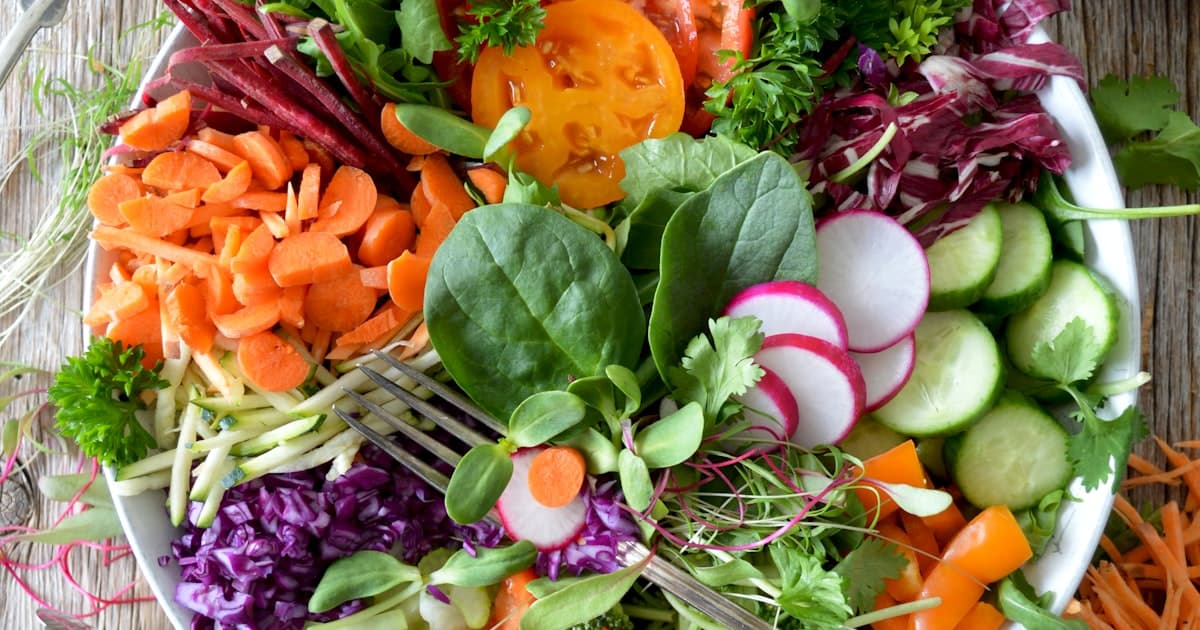
Have you noticed your appetite changes with the seasons? Perhaps you crave hearty stews in winter and light salads in summer. This isn't random—your body's nutritional needs genuinely shift throughout the year in response to temperature, daylight, activity patterns, and even ancestral programming.
Understanding seasonal nutrition can help you work with your body's natural rhythms rather than against them, making calorie management more intuitive and sustainable.
The Science of Seasonal Appetite Changes
Metabolism and Temperature
Your body works harder to maintain its core temperature in cold weather, slightly increasing your basal metabolic rate. Studies suggest winter metabolism may be 5-10% higher than summer metabolism in people living in temperate climates.
This explains the increased appetite many experience in colder months—your body is signaling a genuine need for more fuel.
Daylight and Hormones
Seasonal changes in daylight affect hormones that influence appetite and metabolism:
Melatonin: Longer winter nights mean more melatonin production, which can affect insulin sensitivity and fat storage patterns.
Serotonin: Reduced sunlight exposure decreases serotonin, often triggering carbohydrate cravings as the body seeks to boost this mood-regulating neurotransmitter.
Vitamin D: Lower winter sun exposure reduces vitamin D production, which may affect metabolism and hunger signaling.
Activity Level Fluctuations
Most people are more active in warmer months—longer days invite outdoor activities, sports, and more movement. Winter often means more indoor time and less spontaneous physical activity.
This creates real differences in caloric expenditure that should be reflected in intake.
Spring: The Reset Season
What Changes
As temperatures warm and days lengthen:
- Activity levels typically increase
- Appetite for heavy foods naturally decreases
- Fresh produce becomes more abundant
- Energy levels rise with increased light exposure
Nutritional Priorities
Emphasize:
- Fresh greens and early vegetables (asparagus, peas, spinach)
- Lighter proteins (fish, poultry, eggs)
- Detoxifying foods (lemon, ginger, leafy greens)
- Hydration as activity increases
Reduce:
- Heavy winter comfort foods
- Dense carbohydrate portions
- Richer, fattier preparations
Calorie Considerations
Spring is often when people naturally want to slim down for summer. Your body supports this:
- Decreased appetite for calorie-dense foods
- Increased activity opportunities
- Natural inclination toward lighter eating
Consider a moderate calorie deficit of 10-15% during spring if fat loss is a goal. Your body's natural preferences make this easier than in other seasons.
Tracking Tips for Spring
- Update your activity level in your tracking app as you become more active
- Focus on nutrient density over calorie density
- Log the fresh produce you're adding to your diet
- Adjust protein intake if increasing exercise significantly
Summer: Peak Activity Season
What Changes
Summer brings:
- Highest activity levels of the year
- Reduced appetite in hot weather
- Abundant fresh fruits and vegetables
- Later eating due to longer days
- More social eating occasions
Nutritional Priorities
Emphasize:
- Hydrating foods (watermelon, cucumber, berries)
- Light proteins that don't require heavy cooking
- Fresh, raw vegetables
- Electrolyte-rich foods for sweating
- Frequent smaller meals over large heavy ones
Reduce:
- Hot, heavy meals
- Excessive alcohol (dehydrating)
- Large evening meals close to bedtime
Calorie Considerations
Summer presents a paradox: decreased appetite but increased activity and more social eating occasions.
For active individuals: You may need more calories than appetite suggests. Pay attention to energy levels—if you're dragging, you might be under-fueling.
For social butterflies: Barbecues, picnics, and gatherings can add unexpected calories. Track social occasions more carefully.
For heat-sensitive people: If you naturally eat less in heat, ensure you're getting adequate nutrition despite reduced appetite.
Tracking Tips for Summer
- Focus on hydration tracking alongside food
- Don't skip logging at social events
- Adjust for increased activity and sweating
- Allow for ice cream and summer treats within your targets
- Monitor energy levels, not just weight
Fall: Transition and Preparation
What Changes
Fall brings:
- Cooler temperatures increasing appetite
- Decreasing daylight affecting mood and energy
- Harvest abundance of squash, apples, root vegetables
- Natural craving for more substantial foods
- Activity levels beginning to decrease
Nutritional Priorities
Emphasize:
- Warming soups and stews
- Root vegetables (sweet potatoes, carrots, beets)
- Warming spices (cinnamon, ginger, turmeric)
- Adequate protein as activity patterns shift
- Vitamin D through food or supplements as sun exposure decreases
Reduce:
- Excessive comfort eating beyond genuine hunger
- Using food to cope with seasonal mood changes
- Abandoning produce as summer ends
Calorie Considerations
Fall is transition time. Your body naturally wants to store some energy for winter—this is ancestral programming. However, modern abundance means we don't need to pack on pounds for survival.
- Accept a slight increase in appetite as natural
- Maintain activity even as weather cools
- Watch for emotional eating as days shorten
- Aim for maintenance rather than aggressive fat loss
Tracking Tips for Fall
- Note when appetite increases and don't fight it entirely
- Ensure adequate protein to preserve muscle as activity changes
- Track mood alongside food to identify emotional eating patterns
- Plan warming meals that are nutritious, not just comforting
Winter: Conservation Mode
What Changes
Winter features:
- Lowest daylight and coldest temperatures
- Highest appetite and carbohydrate cravings
- Most indoor time and lowest spontaneous activity
- Holiday eating occasions
- Potential for seasonal mood challenges
Nutritional Priorities
Emphasize:
- Nutrient-dense foods to support immune function
- Adequate protein to prevent muscle loss with reduced activity
- Vitamin D, either through supplementation or fortified foods
- Omega-3 fatty acids for mood support
- Fiber-rich foods for fullness on fewer calories
Reduce:
- Mindless comfort eating
- Excessive refined carbohydrates
- Emotional eating in response to darkness
- Holiday indulgence beyond enjoyment
Calorie Considerations
Winter is challenging for calorie management:
- Higher appetite meets lower activity
- More indoor time means more snacking opportunities
- Holiday social pressure to overeat
- Comfort eating tendencies increase
Strategies:
- Slightly higher calorie targets to match genuine metabolic needs
- Structured meals to prevent grazing
- Planned treats to prevent deprivation bingeing
- Indoor activity to maintain movement
Tracking Tips for Winter
- Don't panic about slight weight gain—some seasonal fluctuation is normal
- Log consistently through holidays
- Plan ahead for holiday events
- Focus on protein and fiber for satiety
- Track how foods affect your mood and energy
Practical Seasonal Adjustments
Creating Seasonal Calorie Ranges
Rather than one fixed calorie target year-round, consider seasonal ranges:
Example for 150-pound moderately active person:
- Winter: 2,000-2,200 calories
- Spring: 1,900-2,100 calories
- Summer: 2,100-2,300 calories (if very active)
- Fall: 2,000-2,200 calories
These aren't rigid targets—they're starting points that honor natural fluctuation.
Macronutrient Seasonal Shifts
Your macro needs may shift seasonally too:
Winter: Slightly higher carbs (energy, mood), maintained protein
Spring: Balanced macros, increasing vegetables
Summer: Lower fat (lighter foods), higher hydrating carbs
Fall: Increasing protein and healthy fats as cold approaches
Adapting Tracking Habits
Winter: More detailed tracking to catch comfort eating patterns
Spring: Focus on nutrition quality metrics, not just calories
Summer: Relaxed daily tracking, weekly check-ins
Fall: Resume more consistent tracking before holidays
Working with Seasonal Foods
Eating seasonally supports both nutrition and sustainability:
Spring Produce
- Asparagus, artichokes, peas
- Leafy greens, radishes
- Strawberries, rhubarb
Summer Produce
- Tomatoes, corn, peppers
- Berries, stone fruits, melons
- Zucchini, green beans, cucumbers
Fall Produce
- Squash, pumpkin, sweet potatoes
- Apples, pears, grapes
- Brussels sprouts, cauliflower, broccoli
Winter Produce
- Citrus fruits, pomegranates
- Cabbage, kale, root vegetables
- Stored squash and potatoes
Building meals around seasonal produce naturally varies your diet while providing appropriate nutrition for each time of year.
Common Seasonal Nutrition Mistakes
Fighting Natural Fluctuations
Some weight fluctuation throughout the year is normal and healthy. Fighting against 3-5 pounds of seasonal variation creates stress without benefit.
Same Targets Year-Round
Rigid calorie targets that ignore activity changes and metabolic fluctuations work against your body rather than with it.
Seasonal Extremes
Summer crash dieting followed by winter binge eating is a harmful pattern. Moderate adjustments are healthier than extremes.
Ignoring Mood-Food Connections
In darker months, food genuinely affects mood through serotonin pathways. Ignoring this creates unsustainable restriction.
Conclusion
Your body is designed to respond to seasonal changes—this isn't a flaw to overcome but a system to work with. By adjusting your nutritional approach throughout the year, you can achieve better results with less struggle.
Listen to your body's seasonal signals. Accept that summer and winter eating will look different. Adjust your tracking expectations for each season. Focus on whole, seasonal foods that your body naturally craves.
The most sustainable approach to nutrition isn't fighting your biology—it's understanding and working with it, season by season, throughout the year.
Related Articles



Ready to start tracking?
Download Calgrove AI and track calories with just a photo.
Download on the
App Store