Family Meal Planning: How to Track Nutrition for Everyone
Learn practical strategies for managing nutrition across your entire family, from tracking individual needs to creating meals that work for everyone.
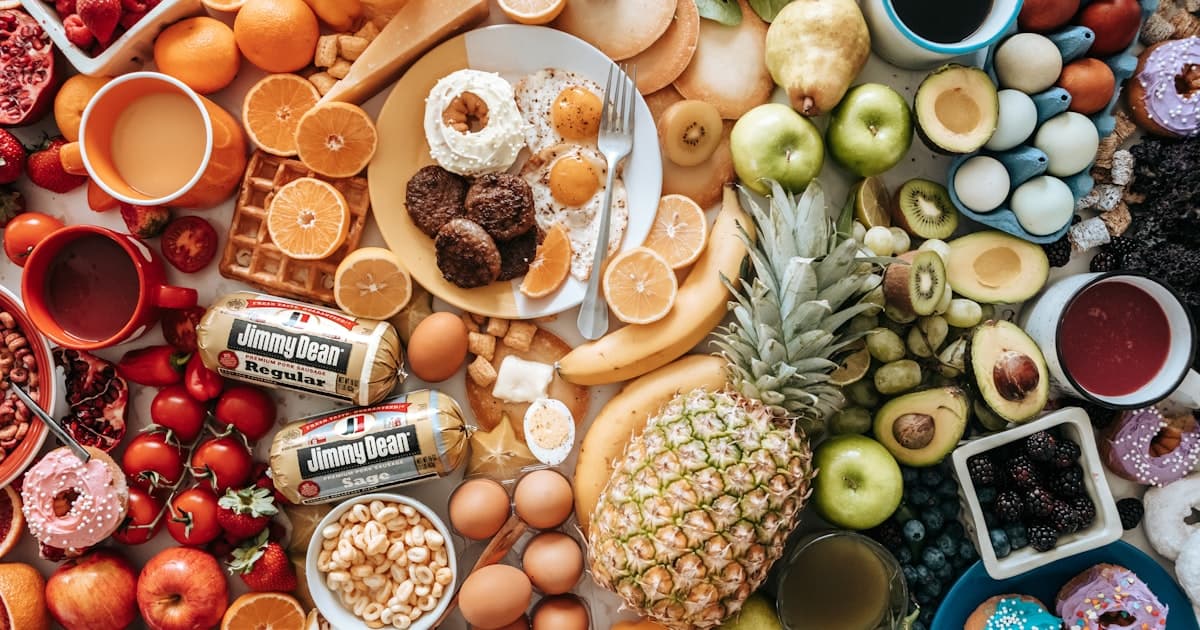
Managing nutrition for one person is straightforward. Managing it for an entire family—with different ages, preferences, activity levels, and goals—is a completely different challenge. Yet family meals remain one of the most important foundations for healthy eating habits.
This guide will help you navigate the complexity of tracking nutrition for your whole family while keeping meal times enjoyable and stress-free.
Why Family Nutrition Tracking Matters
Research consistently shows that families who eat together have better nutritional outcomes. Children who regularly participate in family meals:
- Consume more fruits, vegetables, and whole grains
- Have healthier body weights
- Develop better relationships with food
- Show improved academic performance
- Have lower rates of disordered eating later in life
But these benefits only materialize when family meals are nutritious and positive experiences. Understanding each family member's nutritional needs helps ensure everyone is properly nourished.
Understanding Different Family Members' Needs
Children's Nutritional Requirements
Children's caloric needs vary dramatically by age and activity level:
Toddlers (2-3 years): 1,000-1,400 calories daily
Young children (4-8 years): 1,200-2,000 calories daily
Tweens (9-13 years): 1,400-2,600 calories daily
Teenagers (14-18 years): 1,800-3,200 calories daily
Beyond calories, growing children need adequate protein, calcium, iron, and various vitamins to support development. Active children in sports may need even more.
Adult Requirements
Adults' needs vary based on:
- Activity level: Sedentary to very active
- Age: Metabolism changes over time
- Goals: Maintenance, weight loss, or muscle building
- Gender: Generally different caloric needs
- Health conditions: Pregnancy, nursing, medical conditions
A family might include a father trying to lose weight, a mother who is breastfeeding, a teenage athlete, and a picky elementary schooler—all needing different nutritional approaches.
Elderly Family Members
Grandparents or elderly relatives living with the family have unique considerations:
- Lower caloric needs but maintained protein requirements
- Possible medication interactions with certain foods
- Difficulty chewing certain textures
- Increased need for certain nutrients like B12, vitamin D, and calcium
Creating a Family Meal Planning System
Step 1: Establish Individual Profiles
Create a simple profile for each family member including:
- Daily calorie target
- Protein needs
- Any dietary restrictions or allergies
- Food preferences and dislikes
- Activity level and schedule
This doesn't need to be complicated—a note on your phone or a shared family document works fine.
Step 2: Find Overlapping Meal Solutions
The magic of family meal planning is finding dishes that work for everyone with minor modifications. Core strategies include:
Building block meals: Create a base that works for all, with customizable additions
Example: Taco night
- Base: Seasoned ground turkey
- Everyone adds their own toppings based on preferences and needs
- Parents can skip the tortilla for lower carbs
- Kids can add more cheese for calories and calcium
- Athletes can load up on extra protein
Scalable portions: Same food, different amounts
Example: Pasta dinner
- Child's portion: 3/4 cup pasta, 2 oz sauce, 2 oz chicken
- Teen athlete: 2 cups pasta, 4 oz sauce, 6 oz chicken
- Parent on weight loss: 1/2 cup pasta, 4 oz sauce, 4 oz chicken, extra vegetables
Step 3: Use Recipe Scaling
When you find a healthy recipe that works, scale it for your family size and varying needs.
For a family of four:
- Calculate total recipe nutrition
- Divide into appropriate portion sizes
- Note each family member's designated portion
- Log as a saved family meal for easy future tracking
Practical Tracking Strategies
The Family Meal Log
Create family recipes in your tracking app that can be quickly divided by portion:
- Enter the complete recipe with all ingredients
- Calculate the total nutritional content
- Divide into family-specific portions
- Save each variation as a template
Example: Family Stir-Fry (Serves 4)
- Dad's portion (300 cal): 4 oz chicken, 1/2 cup rice, vegetables
- Mom's portion (350 cal): 4 oz chicken, 3/4 cup rice, vegetables
- Teen's portion (500 cal): 6 oz chicken, 1.5 cups rice, vegetables
- Child's portion (280 cal): 3 oz chicken, 1/2 cup rice, vegetables (cut small)
Photo-Based Family Tracking
AI-powered apps simplify family tracking:
- Prepare plates for each family member
- Photo each plate before serving
- The app estimates calories for each serving
- Make quick adjustments based on actual portions
This method is especially helpful for parents who are tracking while children eat more intuitively.
Weekly Planning Sessions
Set aside 20-30 minutes weekly to:
- Review the coming week's schedule
- Identify days with conflicts (sports, late work, activities)
- Plan dinners around the schedule
- Create a shopping list
- Assign prep tasks to capable family members
Making Tracking Family-Friendly
For Children
Depending on age, involve children appropriately:
Ages 2-5: Focus on offering balanced options without tracking
Ages 6-10: Teach food groups and balanced plates visually
Ages 11-14: Introduce basic nutrition concepts without calorie numbers
Ages 15+: If appropriate, involve in meal planning and basic tracking
Be cautious about introducing calorie counting to children. Focus on food quality and balance rather than numbers to avoid developing unhealthy relationships with food.
For Resistant Family Members
Some family members may resist tracking or healthy changes:
- Don't force tracking on unwilling participants
- Make changes gradually rather than dramatically
- Focus on adding good foods rather than eliminating favorites
- Model healthy habits without lecturing
- Involve family in food decisions
Maintaining Joy at Mealtime
Nutrition tracking should enhance family meals, not burden them:
- Keep phones away during actual eating (track before or after)
- Make conversations about non-food topics
- Avoid commenting on what others are eating
- Celebrate trying new foods without pressure
- Allow occasional treats without guilt or logging drama
Sample Family Meal Plans
Family of Four Weekly Plan
Monday: Sheet pan chicken with roasted vegetables
- Same base meal, different portion sizes
- Add extra potatoes for growing children
- Extra vegetables for adults watching calories
Tuesday: Build-your-own bowl night (grain, protein, toppings)
- Each person creates their bowl
- Easy to customize for different needs
- Minimal extra cooking required
Wednesday: Soup and sandwich combo
- Hearty soup for the whole family
- Sandwiches scaled to caloric needs
- Add salad for adults, fruit for kids
Thursday: Slow cooker meal (prep in morning)
- Perfect for busy evenings
- Automatically portioned from one pot
- Served with variable sides
Friday: Homemade pizza night
- Everyone makes their own personal pizza
- Control toppings for nutrition goals
- Fun family activity that supports tracking
Weekend: Mix of family cooking projects and flexible meals
Handling Special Dietary Needs
Multiple Allergies
When family members have different allergies:
- Build meals around allergy-safe bases
- Add allergens separately for those who can eat them
- Clearly label and separate cooking utensils
- Establish safe zones in the refrigerator
Mixed Diet Preferences
Vegetarian, vegan, or special diets within the family:
- Focus on meals where protein is separate/customizable
- Prepare extra vegetables and grains as the base
- Have protein options available for different preferences
- Find common meals everyone enjoys
Medical Dietary Requirements
Diabetes, heart conditions, or other medical needs:
- Prioritize the medical requirement in meal design
- Ensure others' portions accommodate without restriction
- Consult healthcare providers for specific guidance
- Use tracking to monitor compliance with medical recommendations
Technology Tools for Family Tracking
Shared Shopping Lists
Apps that allow shared shopping lists keep everyone coordinated:
- Add items from recipes automatically
- Share with whoever is shopping
- Check off items in real-time
- Organize by store section
Family Meal Planning Apps
Consider apps designed for family meal planning:
- Assign meals to days
- Generate shopping lists
- Store family-approved recipes
- Track nutrition across family members
Smart Kitchen Tools
Invest in tools that simplify family cooking:
- Multiple cutting boards for allergen separation
- Slow cookers for hands-off meals
- Food scales for accurate portioning
- Good storage containers for meal prep
Common Challenges and Solutions
"My kids won't eat healthy food"
- Involve children in meal planning and preparation
- Introduce new foods alongside favorites
- Require trying one bite without forcing more
- Model enjoying healthy foods yourself
- Make healthy foods convenient and visible
"We don't have time for elaborate planning"
- Start with just dinner planning
- Use simple rotations (Taco Tuesday, etc.)
- Prep ingredients on weekends
- Embrace shortcuts like pre-cut vegetables
- Keep a list of 10-minute backup meals
"Tracking feels obsessive"
- Track only what matters most for your goals
- Use photo logging for quick entries
- Take tracking breaks while maintaining healthy habits
- Focus on trends rather than daily perfection
Conclusion
Family nutrition tracking doesn't mean obsessing over every calorie each family member consumes. It means having awareness of different needs, planning meals that accommodate everyone, and creating systems that make healthy eating the easy default.
The best family nutrition plan is one that brings your family together around the table, nourishes each person appropriately, and doesn't create stress or conflict. Start with one meal a day—dinner is usually best—and build your systems gradually.
Remember, the goal isn't perfect nutrition tracking for every family member. It's raising a family that enjoys eating well together and develops healthy relationships with food that will serve them for a lifetime.
Related Articles
Ready to start tracking?
Download Calgrove AI and track calories with just a photo.
Download on the
App Store