Meal Prep and Calorie Counting: A Beginner's Complete Guide
Learn how to combine meal prepping with effective calorie tracking to save time, eat healthier, and reach your nutrition goals faster.
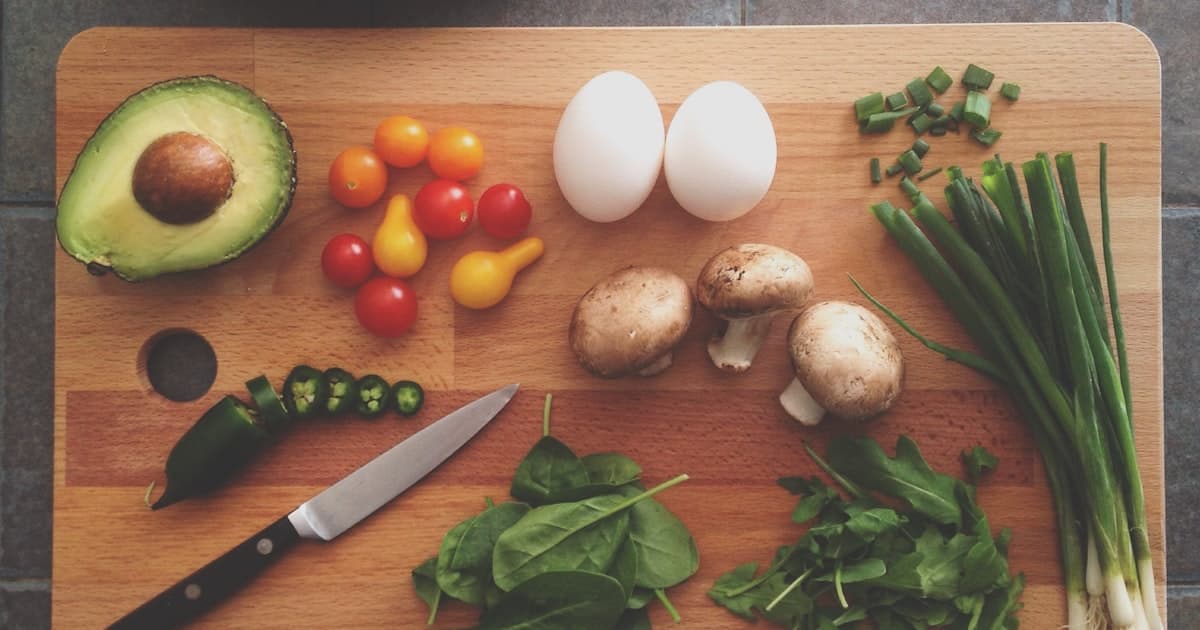
Meal prepping and calorie counting are two of the most effective strategies for achieving nutrition goals, but many people struggle to combine them effectively. When done right, meal prep makes calorie tracking almost effortless while saving you hours of cooking time each week.
This guide will walk you through everything you need to know to master both skills simultaneously.
Why Meal Prep and Calorie Counting Work Better Together
When you prepare meals in advance with pre-calculated portions, you eliminate the daily guesswork that makes calorie counting difficult. Instead of estimating portion sizes at every meal, you know exactly what you're eating because you measured it yourself.
The Synergy Effect
Meal prepping addresses the biggest challenges of calorie tracking:
- Accuracy: When you weigh ingredients during prep, your calorie counts are precise
- Consistency: Same meals mean same nutritional values, easier tracking
- Decision fatigue: No daily choices means less temptation to stray from your plan
- Time savings: Cook once, eat multiple times without repeated logging
Getting Started: Essential Equipment
Before diving into meal prep, gather these basics:
Kitchen Tools
- Digital food scale (the most important tool for accurate tracking)
- Quality food storage containers in various sizes
- Measuring cups and spoons
- Large sheet pans for batch roasting
- Slow cooker or Instant Pot for hands-off cooking
Organization Supplies
- Labels or masking tape for dating containers
- A meal planning notebook or app
- Freezer-safe bags for longer storage
Step 1: Calculate Your Calorie Targets
Before preparing any food, determine your daily caloric needs based on your goals:
For weight loss: Create a moderate deficit of 300-500 calories below your maintenance level
For maintenance: Match your calorie intake to your total daily energy expenditure
For muscle building: Add 200-300 calories above maintenance with emphasis on protein
Use your Calgrove app to set these targets and track your progress over time.
Step 2: Plan Your Meals Strategically
Effective meal prep starts with smart planning. Design your weekly menu around these principles:
Balance Your Macronutrients
Each meal should include:
- Protein source: Chicken, fish, tofu, eggs, legumes
- Complex carbohydrates: Rice, quinoa, sweet potatoes, whole grains
- Vegetables: Aim for variety in colors and types
- Healthy fats: Olive oil, avocado, nuts, seeds
Consider Shelf Life
Plan your eating schedule around food freshness:
- Days 1-3: Meals with delicate greens, fish, or foods that don't reheat well
- Days 4-5: Heartier meals with robust vegetables and proteins
- Frozen options: Prepare extras for the freezer to extend your prep
Step 3: Master Batch Cooking Techniques
The key to efficient meal prep is cooking multiple components simultaneously.
The Sheet Pan Method
Roast proteins and vegetables together on sheet pans. Season chicken breasts on one pan while roasting broccoli and sweet potatoes on another. Everything cooks at similar temperatures, streamlining your process.
The Base Component Strategy
Prepare large batches of versatile base ingredients:
- 4-5 cups of cooked rice or quinoa
- 2-3 pounds of seasoned protein
- Multiple vegetable preparations
Mix and match these throughout the week to prevent boredom while maintaining consistent calorie counts.
Step 4: Portion for Your Calorie Goals
This is where calorie counting precision happens. Use your food scale to portion meals according to your calculated needs.
Sample Portioning Process
- Weigh your containers empty and note the weight
- Add protein first: Weigh and record the amount
- Add carbohydrates: Weigh and record
- Add vegetables: Weigh and record
- Calculate total calories for each container
- Label containers with the calorie count and date
Creating Calorie-Specific Containers
Consider color-coding or labeling containers:
- Breakfast containers: 400 calories
- Lunch containers: 500 calories
- Dinner containers: 600 calories
- Snack containers: 200 calories
This visual system makes grabbing the right meal effortless.
Step 5: Track Once, Eat Multiple Times
Here's where meal prep transforms calorie counting efficiency. In your tracking app:
- Create custom meals for each prepped container
- Save them as favorites for quick access
- Log the same meal multiple times without re-entering data
When you eat from identical containers throughout the week, you simply select your saved meal—no measuring, no searching, no guesswork.
Meal Prep Recipes Perfect for Calorie Counting
Protein-Packed Chicken Bowl (450 calories)
- 5 oz grilled chicken breast (230 cal)
- ¾ cup brown rice (160 cal)
- 1 cup roasted broccoli (55 cal)
- 1 tsp olive oil (40 cal)
Mediterranean Salmon Plate (520 calories)
- 4 oz baked salmon (235 cal)
- ½ cup quinoa (110 cal)
- 1 cup roasted Mediterranean vegetables (80 cal)
- 2 tbsp hummus (70 cal)
- Lemon and herbs (minimal calories)
Vegetarian Buddha Bowl (480 calories)
- ½ cup chickpeas (135 cal)
- ½ cup sweet potato (90 cal)
- 2 cups mixed greens (15 cal)
- ¼ avocado (80 cal)
- 2 tbsp tahini dressing (160 cal)
Common Meal Prep Mistakes to Avoid
Cooking Without Measuring
Don't estimate oil or seasonings. That "splash" of olive oil could add 200 uncounted calories. Measure everything during prep.
Preparing Too Much Variety
Start with 2-3 meal options maximum. More variety means more calculations and more room for error.
Ignoring Cooking Method Calorie Impacts
Baked chicken and fried chicken have different caloric values. Account for oils, marinades, and cooking fats in your calculations.
Forgetting to Track Beverages and Snacks
Your perfectly portioned meals won't matter if you're not tracking everything else. Include snacks in your meal prep routine.
Making Meal Prep Sustainable
The best meal prep routine is one you'll actually maintain. Keep these tips in mind:
Start small: Begin with prepping just lunches for a week
Schedule prep time: Block 2-3 hours on Sunday as non-negotiable
Keep it simple: Complicated recipes lead to prep burnout
Embrace imperfection: One off-plan meal doesn't ruin your week
Adjust as needed: Fine-tune portions based on your results and how you feel
Using Technology to Streamline the Process
Modern apps make meal prep and calorie counting seamless:
- Photo recognition: Snap pictures of your prepped meals to quickly log ingredients
- Recipe calculators: Input batch recipes and automatically divide by portions
- Shopping list generation: Export ingredient lists based on your meal plan
- Progress tracking: Monitor how your prepped meals affect your goals
Conclusion
Combining meal prep with calorie counting creates a powerful system for achieving your nutrition goals. The upfront investment of planning and cooking pays dividends throughout the week in time saved, accuracy gained, and decisions avoided.
Start this weekend with a simple prep session. Calculate the calories for just three meal options, prepare them in portioned containers, and experience how much easier tracking becomes when the work is done in advance.
Your future self—the one grabbing a perfectly portioned, pre-logged meal from the fridge—will thank you.
Related Articles
Ready to start tracking?
Download Calgrove AI and track calories with just a photo.
Download on the
App Store