How to Track Calories When Eating Out: Expert Tips for Dining
Master the art of tracking calories at restaurants without sacrificing enjoyment. Learn proven strategies for accurate logging when dining out.
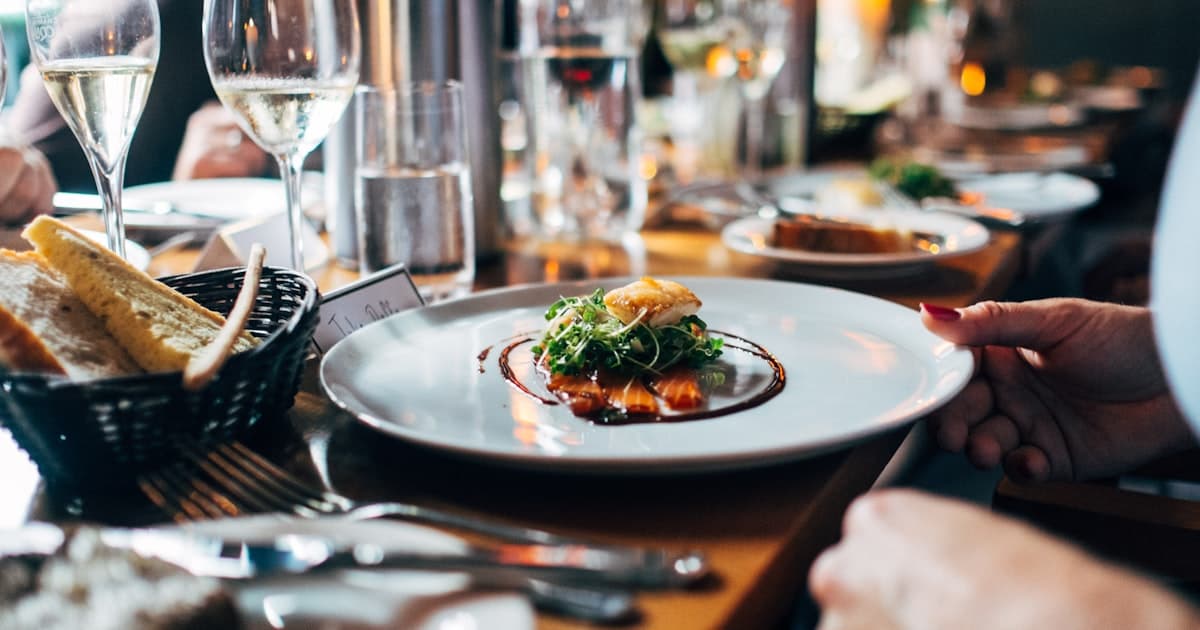
Eating at restaurants is one of the greatest pleasures of modern life, but it can feel like a minefield when you're tracking calories. Hidden oils, oversized portions, and mysterious preparation methods make accurate logging seem impossible.
The good news? You can absolutely maintain your calorie tracking habits while enjoying restaurant meals. Here's your complete guide to dining out without derailing your nutrition goals.
Why Restaurant Calorie Tracking Matters
Studies show that restaurant meals contain, on average, 200-300 more calories than similar home-cooked versions. Some dishes contain over 1,000 calories more than diners expect. Without awareness, regular restaurant meals can significantly impact your progress.
But avoiding restaurants entirely isn't realistic or enjoyable. The solution is developing strategies that keep you informed without turning dining into a stressful calculation exercise.
Before You Go: Preparation Strategies
Research the Menu Online
Most chain restaurants publish nutrition information on their websites. Before leaving home:
- Look up the restaurant's menu online
- Check for a nutrition facts page or PDF
- Pre-select your meal based on your calorie targets
- Note any modifications you want to request
This removes decision stress and prevents impulse ordering.
Plan Your Day Around the Meal
If you know you're dining out for dinner, adjust your earlier meals:
- Eat lighter at breakfast and lunch
- Focus on protein and vegetables during the day
- Save some calorie budget for the restaurant meal
- Stay hydrated to avoid confusing thirst with hunger
This doesn't mean starving yourself—it means strategic allocation of your daily calories.
At the Restaurant: Smart Ordering
Start with Questions
Good servers appreciate informed diners. Don't hesitate to ask:
- "How is this dish prepared?"
- "Does this come with any sauces or dressings?"
- "What oil do you cook with?"
- "What's the approximate portion size of the protein?"
These questions help you make accurate estimates without being disruptive.
Make Strategic Modifications
Simple changes can dramatically reduce calories without sacrificing satisfaction:
Sauces and Dressings
- Request them on the side
- Dip your fork rather than pouring
- Ask for olive oil and vinegar instead of creamy dressings
Cooking Methods
- Request grilled instead of fried
- Ask for steamed vegetables instead of sautéed
- Request minimal oil in preparation
Portion Control
- Order lunch portions at dinner when available
- Ask for a to-go box with your meal and immediately set half aside
- Share entrées with dining companions
Substitutions
- Replace fries with a side salad
- Swap white rice for brown or vegetables
- Ask for extra vegetables instead of starches
Estimation Techniques That Work
The Hand Method
When nutrition information isn't available, use your hand as a measuring guide:
- Palm: Represents a 3-4 oz serving of protein
- Fist: Represents about 1 cup of carbs or vegetables
- Cupped hand: Represents a half-cup serving
- Thumb: Represents about 1 tablespoon of fats or oils
This method isn't perfect but provides reasonable estimates for logging.
Visual Portion References
Compare restaurant portions to familiar objects:
- Deck of cards = 3 oz of meat
- Baseball = 1 cup
- Tennis ball = ½ cup
- Golf ball = 2 tablespoons
- Dice = 1 teaspoon
The Photo Method
Take a photo of your plate before eating. Apps like Calgrove can analyze the image and provide calorie estimates. Even if you're estimating manually, the photo serves as a reference when you log the meal later.
Cuisine-Specific Strategies
Italian Restaurants
Italian cuisine features hidden calories in olive oil, cheese, and cream sauces.
Better choices:
- Grilled fish or chicken with vegetables
- Pasta primavera with marinara (light on oil)
- Minestrone soup
- Caprese salad
Watch out for:
- Alfredo and cream-based sauces
- Breaded and fried items (parmigiana dishes)
- Bread and olive oil before the meal
- Risotto (typically very butter-heavy)
Asian Restaurants
Asian cuisines vary widely, but oil usage is often underestimated.
Better choices:
- Steamed dishes
- Sashimi
- Clear soups
- Stir-fries with light sauce, request less oil
- Summer rolls instead of fried spring rolls
Watch out for:
- Fried rice and lo mein
- Sweet sauces (teriyaki, orange, General Tso's)
- Coconut milk-based curries
- Tempura and other fried items
Mexican Restaurants
Cheese, sour cream, and cooking oils add up quickly in Mexican cuisine.
Better choices:
- Fajitas (skip the tortillas or use one)
- Grilled fish or chicken tacos
- Black beans instead of refried
- Pico de gallo and salsa
Watch out for:
- Chips and queso
- Chimichangas and fried items
- Heavy cheese and sour cream toppings
- Massive burrito portions
American Restaurants
American restaurant portions are notoriously oversized.
Better choices:
- Grilled proteins with vegetable sides
- Salads with protein (dressing on side)
- Bunless burgers or lettuce wraps
- Broth-based soups
Watch out for:
- Appetizer portions that equal full meals
- Loaded baked potatoes
- Creamy coleslaw and potato salad
- Large dessert portions
Managing Social Situations
When Others Are Ordering Indulgently
You don't need to announce that you're tracking calories. Simply order what works for you without explanation. Most people won't notice or comment.
If questioned, a simple "I'm not that hungry" or "That dish sounds great to me" redirects the conversation.
Handling Peer Pressure
Sometimes well-meaning friends or family encourage indulgence. Strategies that work:
- "I'll have a bite of yours" (social without committing to a full portion)
- Order what you want confidently without justification
- Focus conversation on topics other than food
- Remember your goals are more important than others' opinions
Special Occasions
Birthdays, anniversaries, and celebrations deserve flexibility. Consider:
- Enjoying the meal without strict tracking
- Logging your best estimate rather than nothing
- Making one indulgent choice rather than multiple
- Getting back to normal habits the next day
One meal won't derail progress—consistency over time is what matters.
Logging Restaurant Meals Accurately
Use Restaurant Database Entries
Many tracking apps include entries for specific restaurant dishes. Search for:
- The restaurant name + dish name
- Generic versions of the dish if restaurant-specific isn't available
- Similar dishes from comparable restaurants
When to Estimate Higher
Restaurant meals typically contain more calories than you'd expect. When in doubt:
- Add 10-20% to your estimate for cooking oils
- Round up on portion sizes
- Account for finishing sauces and garnishes
- Include the full bread basket if you ate from it
Track Immediately
Log your meal as soon as possible while details are fresh. The longer you wait, the more likely you are to forget components or underestimate portions.
Building Long-Term Habits
Successful restaurant calorie tracking becomes intuitive over time. You'll naturally gravitate toward options you know work for your goals while still enjoying the dining experience.
The 80/20 Approach
Aim to track accurately 80% of the time. The remaining 20% covers estimations and occasional meals where tracking isn't practical. This flexibility prevents the all-or-nothing thinking that derails many tracking attempts.
Learn From Patterns
Review your logs periodically:
- Which restaurants make tracking easier?
- What dishes reliably fit your calorie targets?
- Where do you tend to overeat?
Use these insights to make better choices going forward.
Conclusion
Tracking calories at restaurants requires preparation, smart ordering, and reasonable estimation—but it's absolutely achievable. With practice, these strategies become second nature, allowing you to enjoy dining out while maintaining awareness of your nutritional intake.
Remember: the goal isn't perfection. It's maintaining enough awareness to support your health goals while still living a full life that includes occasional restaurant meals. Master these techniques, and eating out becomes another tool in your nutrition toolkit rather than an obstacle to overcome.
Related Articles
Ready to start tracking?
Download Calgrove AI and track calories with just a photo.
Download on the
App Store