Staying on Track: Calorie Counting Tips for Travelers
Don't let travel derail your nutrition goals. Learn practical strategies for tracking calories while exploring new destinations and enjoying local cuisines.
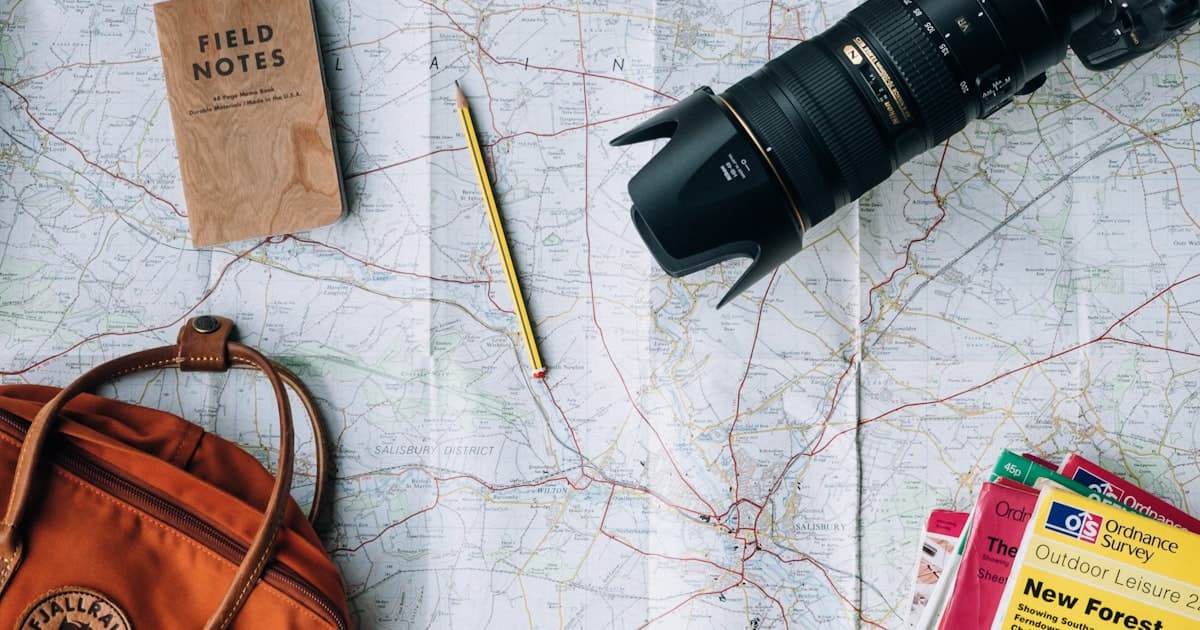
Travel is one of life's greatest pleasures, but it often feels like it comes at the cost of your nutrition goals. Unfamiliar foods, disrupted routines, and the desire to experience local cuisines can make calorie tracking seem impossible—or undesirable.
But with the right mindset and strategies, you can explore the world while maintaining awareness of your nutrition. Here's how to stay on track without missing out on what makes travel wonderful.
The Travel Nutrition Mindset
Before diving into tactics, let's address mindset. There are three common approaches to travel eating:
The "Vacation Mode" Approach: Abandon all tracking, eat whatever, deal with consequences later. This often leads to significant setbacks and guilt.
The "Rigid Control" Approach: Track obsessively, avoid local foods, prioritize calories over experiences. This leads to missing what makes travel special.
The "Mindful Awareness" Approach: Maintain awareness without obsession, make strategic choices, enjoy experiences while minimizing damage. This is the sweet spot.
The goal isn't perfection—it's preventing travel from becoming a complete nutrition derailment while still enjoying yourself.
Pre-Trip Preparation
Research Your Destination's Food Culture
Before you leave, understand what you'll be eating:
- Typical meal structures: Large breakfasts? Late dinners?
- Common ingredients: Will protein be readily available?
- Portion sizes: Known for large or small servings?
- Local specialties: What must-try dishes should you budget calories for?
This information helps you plan realistically.
Build a Buffer
In the weeks before travel, consider creating a small calorie buffer:
- A 200-300 calorie daily deficit for 2 weeks before travel
- Extra activity to bank some additional expenditure
- This gives you flexibility without starting your trip feeling restricted
Download Offline Tracking Tools
Ensure your tracking app works offline:
- Download offline food databases
- Take screenshots of common foods you might eat
- Know how to quick-log with estimates
Pack Strategic Snacks
Bring nutritious snacks to prevent desperate airport food court stops:
- Protein bars or jerky
- Nuts and dried fruit
- Individual nut butter packets
- Whole grain crackers
Airport and Travel Day Strategies
Airport Eating
Airports are designed to encourage impulse eating. Navigate them with awareness:
Better airport choices:
- Salads with grilled protein (dressing on side)
- Sushi or poke bowls
- Grilled chicken sandwiches
- Fruit and yogurt parfaits
- Nuts from convenience stores
What to avoid:
- Large portion fast food meals
- Oversized cinnamon rolls and pastries
- Multiple "small" snacks that add up
- Alcohol-heavy pre-flight lounging
In-Flight Nutrition
Airplane food is notoriously inconsistent. Control what you can:
- Bring your own meal if allowed
- Choose protein-focused meal options when available
- Drink water consistently to avoid dehydration mistaken for hunger
- Skip the free snacks and cookies unless you really want them
- Avoid excessive alcohol, which adds calories and disrupts sleep
Time Zone Transitions
Jet lag disrupts hunger signals and sleep patterns:
- Eat according to your destination's time zone as soon as possible
- Stay hydrated—dehydration worsens jet lag
- Don't mistake tiredness for hunger
- Light activity upon arrival helps reset your body clock
Daily Tracking Strategies While Traveling
The Photo Log Method
When tracking feels impossible, photos become your tracking tool:
- Photograph every meal before eating
- Continue enjoying your trip without immediate logging
- Review and log photos at the end of each day
- Estimate portions using visual references
This method captures data without interrupting experiences.
The "Best Guess" Approach
Accept that travel tracking won't be precise:
- Find the closest menu item in your app's database
- Estimate portion sizes using familiar references
- When uncertain, round up 10-20%
- Log the restaurant name for future reference
Approximate logging beats not logging at all.
End-of-Day Review
Spend 10 minutes each evening:
- Review your food photos
- Log meals with best estimates
- Note how you felt after various meals
- Plan adjustments for the next day if needed
This keeps you accountable without constant attention to tracking.
Smart Eating Strategies in New Destinations
Master the Art of Sharing
Sharing is your best travel nutrition tool:
- Sample more dishes without overeating
- Split entrées or order multiple appetizers to share
- Try the must-have local specialty without finishing it
- Experience variety while controlling portions
Strategic Indulgence
Not every meal needs to be a culinary adventure:
"Experience" meals: Go all in on one memorable meal per day. This might be the famous local restaurant or the must-try dish.
"Fuel" meals: Other meals should prioritize nutrition over novelty. Hotel breakfast buffets, simple lunches, practical choices.
This approach lets you fully enjoy special food experiences while maintaining overall balance.
Navigate Buffets and All-Inclusive Situations
Buffets are calorie danger zones. Navigate them with strategy:
- Survey the entire buffet before making selections
- Fill your plate once, intentionally
- Start with protein and vegetables
- Take small portions of indulgent items
- Eat slowly and check in with hunger cues
- Skip the second trip unless genuinely still hungry
Breakfast Buffet Approach
Hotel breakfasts set the tone for your day:
Good base: Eggs, yogurt, fresh fruit, oatmeal
Strategic additions: One small pastry, a taste of local specialties
Avoid: Piling on multiple pastries, endless bacon, sugary cereals
A protein-focused breakfast keeps you satisfied longer, reducing midday overeating.
Managing Different Travel Scenarios
Business Travel
Frequent business travelers face repeated challenges:
- Corporate meetings: Often catered with high-calorie options. Eat before if possible, or focus on the salad and protein.
- Client dinners: Social pressure to order rich foods. Choose strategically and don't finish everything.
- Hotel living: Use hotel gyms, stock room with healthy snacks, request room refrigerators.
Adventure Travel
Active trips create their own considerations:
- Higher calorie needs from hiking, trekking, or active exploration
- Limited food options in remote areas
- Need for portable, energy-dense foods
Track activity levels alongside food to ensure adequate fueling.
Beach Vacations
The relaxation mindset can lead to overindulgence:
- Poolside snacking adds up quickly
- Tropical drinks contain significant calories
- Large resort meals are designed for indulgence
Use the strategic indulgence approach: one special meal, other meals practical.
Cultural Food Experiences
Food is culture, and some travel experiences center on eating:
- Cooking classes: Participate fully, track approximately after
- Food tours: Eat smaller portions at each stop
- Local home meals: Enjoy graciously, estimate later
- Street food explorations: Sample many things in small amounts
These experiences are valuable—don't ruin them with anxious tracking. Log your best estimates after.
Staying Active While Traveling
Walking Is Your Secret Weapon
Most travel naturally includes significant walking:
- Exploring cities on foot
- Walking tours and sightseeing
- Airport navigation
- Museum and attraction visits
This walking can burn 300-500+ extra calories daily. Don't underestimate it.
Hotel Workouts
Most hotels have fitness options:
- Use the hotel gym, even for 20-30 minutes
- Swimming pools provide low-impact exercise
- Bodyweight exercises work in any room
- Yoga or stretching maintains flexibility
Active Tourism
Choose activities that combine experience and exercise:
- Hiking and nature walks
- Biking tours
- Kayaking or paddleboarding
- Snorkeling and swimming
- Walking food or history tours
You're exercising while having experiences you'd want anyway.
Damage Control and Recovery
When Tracking Falls Apart
Sometimes travel tracking genuinely becomes impossible or inappropriate. In these cases:
- Practice portion awareness without logging
- Focus on protein at each meal
- Stay hydrated
- Maintain activity
- Don't catastrophize
One week of imperfect tracking won't undo months of progress.
Post-Travel Recovery
When you return home:
- Resume normal tracking immediately
- Don't "punish" yourself with extreme restriction
- Increase water intake to address travel bloating
- Return to your regular workout routine
- Give yourself 3-5 days to recalibrate
The scale may be up due to water retention, salt intake, and irregular eating times. This is not all fat gain—don't panic.
Technology Tools for Traveling Trackers
Essential Apps and Features
- Offline mode: Ensure your tracking app works without internet
- Photo logging: Quick capture for later detailed entry
- Barcode scanner: Works for packaged foods in any country
- Restaurant databases: International chain nutrition info
Using AI-Powered Tracking
Modern AI tracking apps shine during travel:
- Photograph unfamiliar dishes for automatic identification
- Estimate portions from images
- Recognize international cuisines
- Learn from your corrections
Take advantage of technology that makes travel tracking easier.
Conclusion
Travel doesn't have to derail your nutrition goals. With the right mindset—mindful awareness rather than rigid control—you can explore new cuisines, enjoy culinary experiences, and maintain reasonable tracking throughout your journey.
The key principles are simple:
- Prepare before you go
- Use strategic indulgence
- Track approximately when precision isn't possible
- Stay active throughout your trip
- Return to normal habits promptly
Your most memorable travel experiences often involve food. You shouldn't miss them for the sake of perfect calorie counts. But you also don't need to abandon all awareness and face weeks of recovery after every trip.
Find the balance that lets you travel fully, eat joyfully, and return home without regret. That's the true skill of the traveling tracker.
Related Articles
Ready to start tracking?
Download Calgrove AI and track calories with just a photo.
Download on the
App Store